
 Deutsch
 Polski
 Nederlands
 Čeština
 Deutsch (AT)
 Magyar
 Français
 Italiano
 Slovenčina
 Română
GUIDE
Vignette or toll road? Understanding Europe's two payment systems
Apr 12, 20264 min read
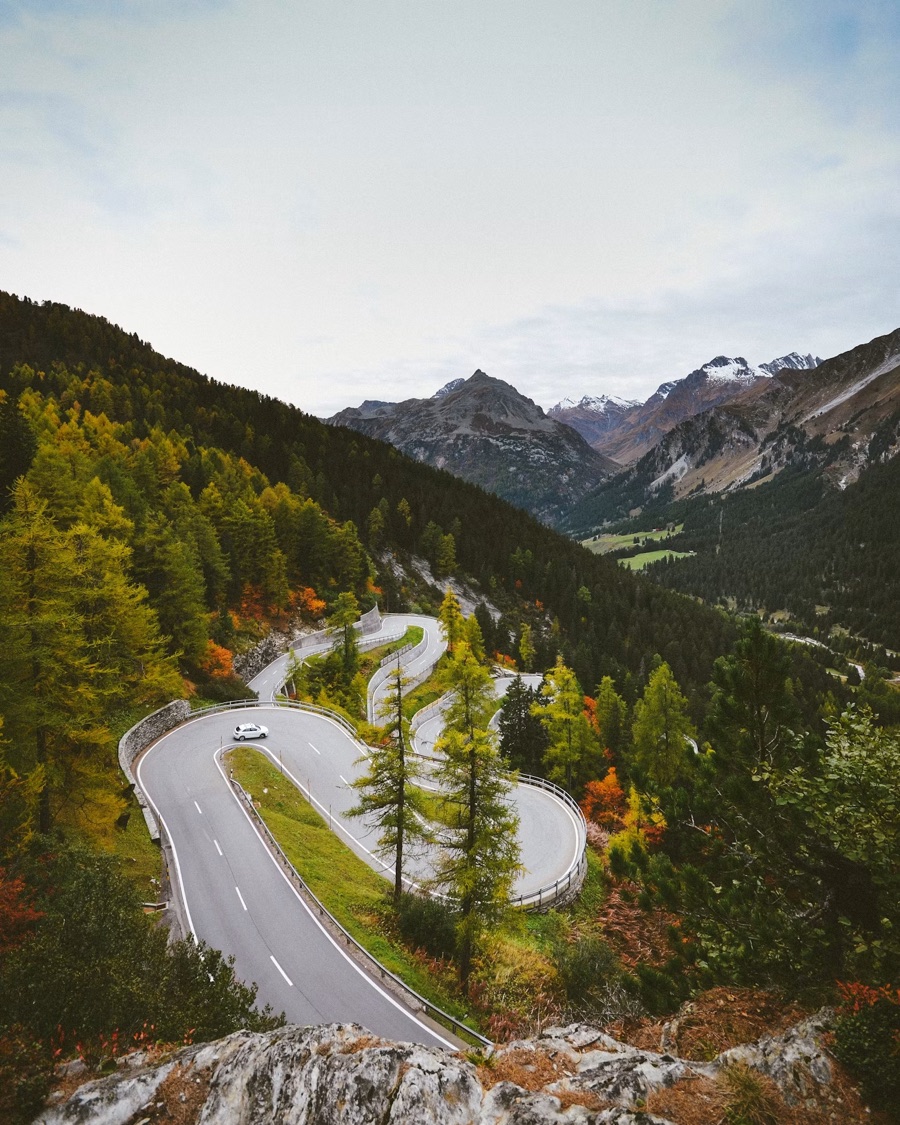
Not every European country charges for motorway access the same way. Some, like Austria and Switzerland, charge a flat vignette fee for a set period. Others charge by distance travelled or at physical toll gates. Knowing which system you're driving into can save you from surprise costs, or an unpaid toll notice weeks after you're home.
Vignette countries: pay once, drive freely
Vignette systems set a flat price for unlimited use during a defined period. Austria, Switzerland, Hungary, Slovakia, Slovenia, Romania, Bulgaria, and Czechia all use this model, though prices, validity periods, and enforcement methods differ from country to country.
Distance-based systems: pay for what you drive
Countries such as Poland, Germany, Italy, and France calculate charges differently. Poland's e-TOLL system charges certain vehicles by the kilometre on national roads, while Italy and France largely rely on traditional toll booths and ticket systems. Germany doesn't require a vignette for passenger cars at all, though heavier commercial vehicles fall under a separate distance-based toll.
Same trip, different rules
A single road trip can cross both systems more than once. Driving from Poland into Czechia, for example, means switching from a distance-based charge to a flat vignette within the same afternoon.
Before you cross a border
- Check which system the next country on your route uses.
- Don't assume a vignette from one country covers tolls in another: it never does.
- Keep a payment card or change ready for toll booths that don't accept vignettes.
- Review your route for motorway sections that combine both systems.
Mixing up the two systems is one of the most common mistakes on multi-country trips. A quick check before you leave keeps things simple.